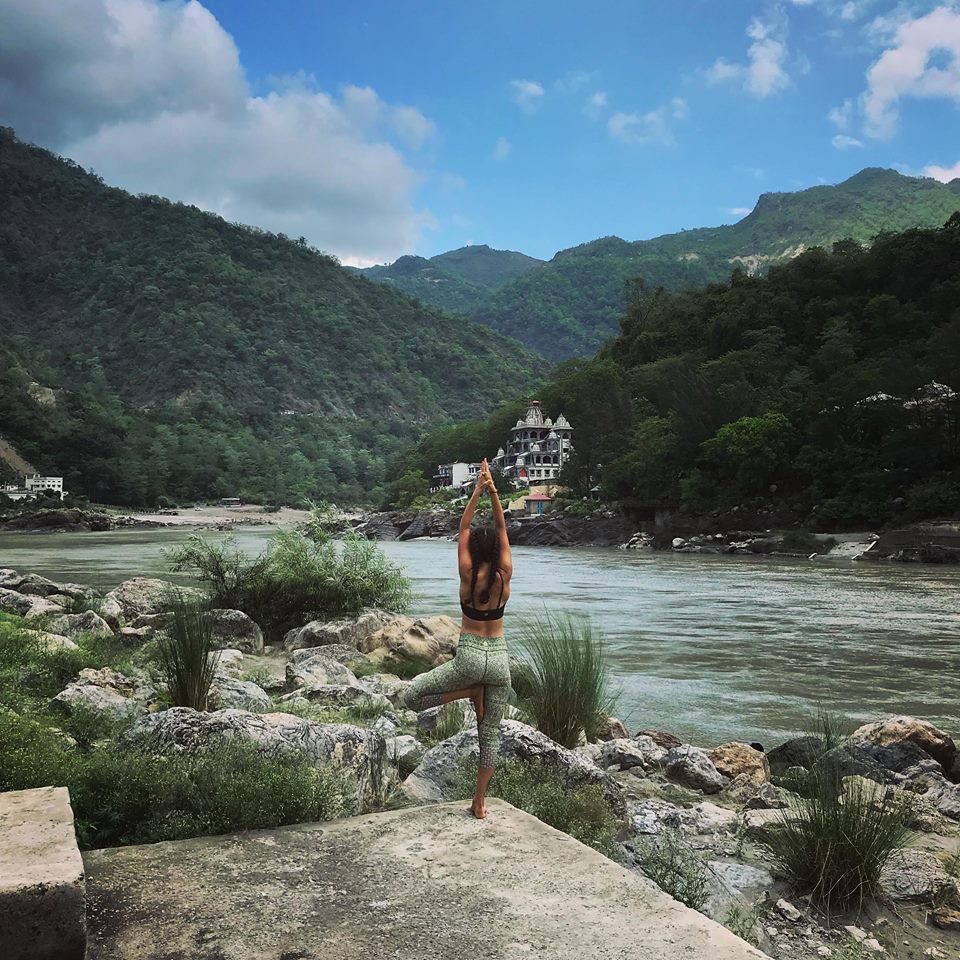
Back pain is one of the most prevalent health problems in today’s society due to the long hours of being in a sitting position, poor posture, and the many lifestyle choices we make that limit our physical activity.
While various forms of medication can provide pain relief, most medication does not address the underlying issue(s) causing back discomfort.
Yoga is the oldest form of holistic health care and has proven to be a safe and effective form of exercise for reducing back pain. Yoga strengthens the spine, improves your posture, and calms your nervous system.
This blog post discusses the 10 best yoga poses for Back Pain relief and is intended for beginner and advanced Yogis. Additionally, these Asanas have three primary goals: to improve both flexibility and strength, to develop a level of relaxation associated with Yoga, and to improve your overall spinal health.
Why Yoga Is Effective for Back Pain?
The effect of Yoga poses for Back Pain is extremely gentle yet effective. High-impact activities, such as running or heavy weight lifting, can cause injuries to your body. However, with Yoga, you’ll learn to perform asanas (postures) with purpose and awareness, thus decreasing your chances of sustaining an injury. Once you practice regularly, you’ll develop:
- A stronger set of core muscles supporting your spine.
- Greater range of motion and flexibility through your spine.
- Correct posture through your daily activities.
- Lower levels of stress and anxiety that have been stored in your back.
Prior to each practice, you’ll also experience greater blood flow through your spine’s tissues.
When performed on a regular basis, Yoga not only helps alleviate back pain but also prevents further back pain from occurring in the future.
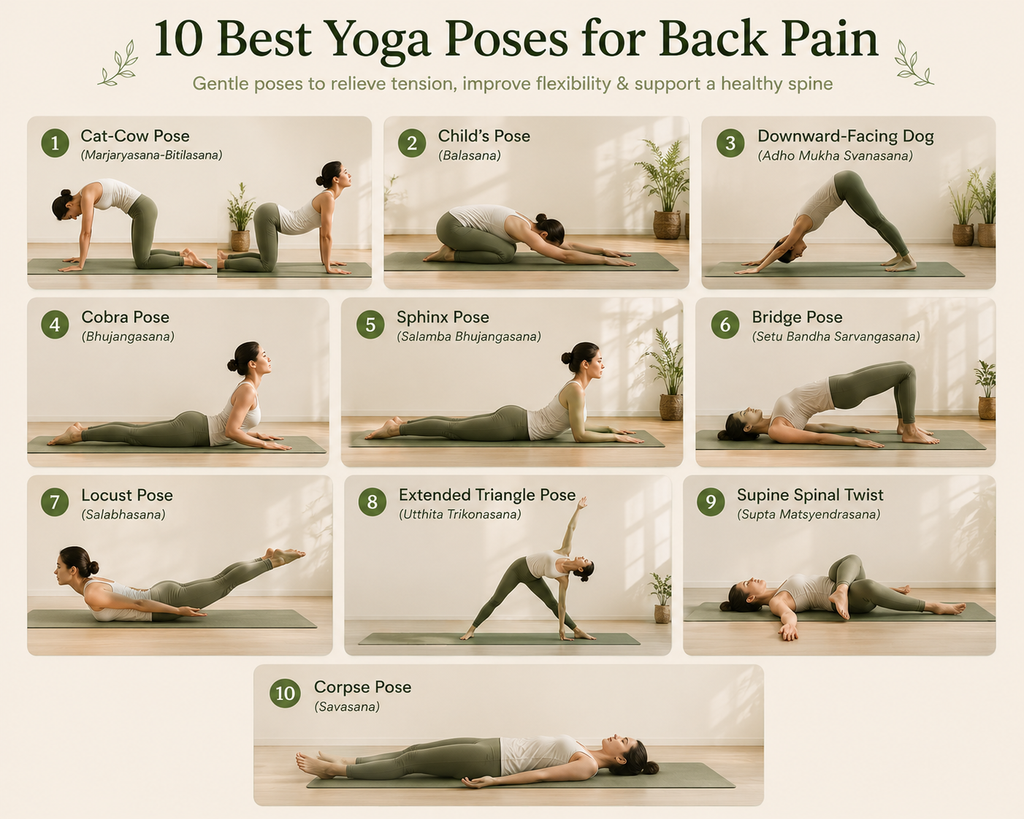
10 Best Yoga Poses for Back Pain –
- Cat-Cow Pose (Marjaryasana-Bitilasana)
- Child’s Pose (Balasana)
- Downward-Facing Dog (Adho Mukha Svanasana)
- Cobra Pose (Bhujangasana)
- Sphinx Pose (Salamba Bhujangasana)
- Bridge Pose (Setu Bandha Sarvangasana)
- Locust Pose (Salabhasana)
- Extended Triangle Pose (Utthita Trikonasana)
- Supine Spinal Twist (Supta Matsyendrasana)
- Corpse Pose (Savasana)
10 Best Yoga Poses for Back Pain Explained with Pictures
1. Cat-Cow Pose (Marjaryasana-Bitilasana)
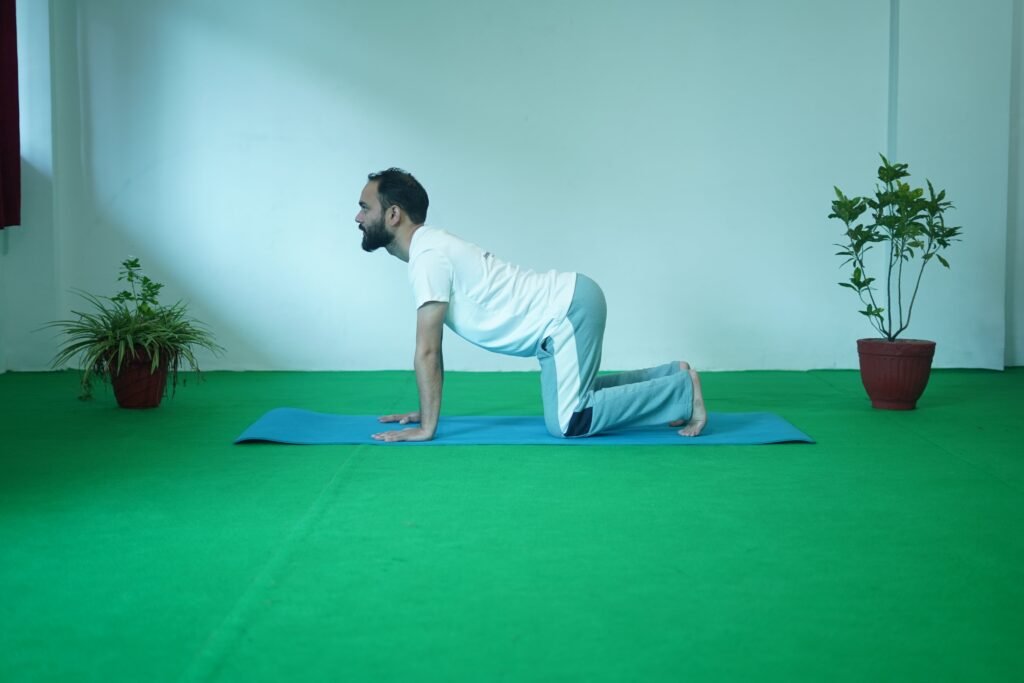
The cat-cow pose is a movement that helps to warm up the spine and at the same time increase the flexibility of the spine, reduce stiffness in the back, neck, and shoulders.
Benefits of the Cat-Cow pose for Back Pain:
- Improves Spinal Mobility
- Releases Tension in the Lower and Upper Back
- Improves Coordination Between Breath and Movement
How to Practice:
Start in a Tabletop Position (Hands and Knees) as you inhale, lower your belly and raise your head/chest and chin (Cow Pose). Then Exhaling, round your back to the ceiling and tuck your chin (Cat Pose). Continue to practice this movement slowly for 10 to 15 Breaths.
2. Child’s Pose (Balasana)
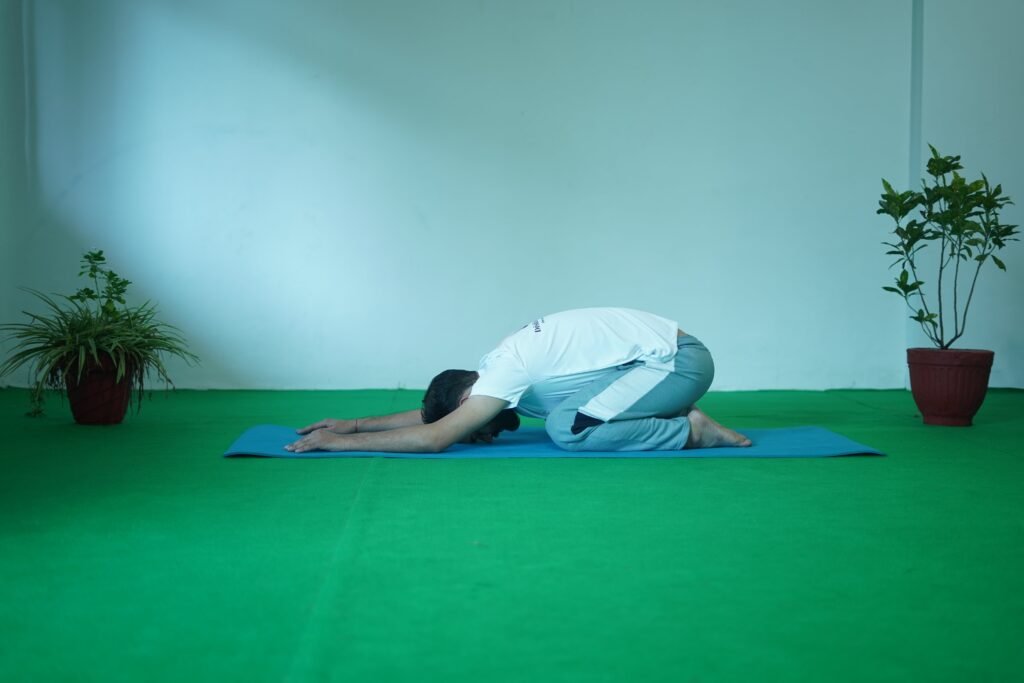
The Child’s Pose is a very restorative pose that will allow you to stretch your lower back and hips while calming your mind.
Benefits of the Child’s Pose for Back Pain:
- Releases Tension in the Spine
- Gently Stretches the Lower Back and Hips
- Facilitates Relaxation and Stress Relief
How to Practice:
From a seated position, sit back on your heels, extend your arms forward and place your forehead on the mat, inhale through your nose and exhale through your mouth. Remain in the Child’s Pose for one to three minutes or longer depending on your comfort level. You may also want to use a support such as a bolster or cushion under your thighs or back if needed.
3. Downward Facing Dog (Adho Mukha Svanasana)
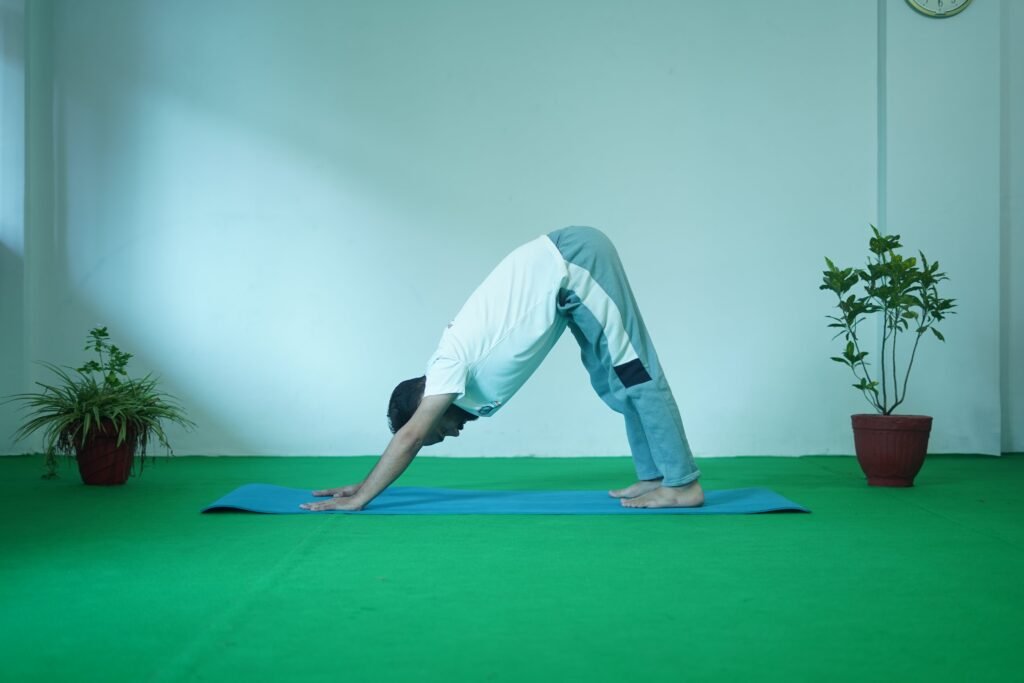
Downward facing dog is one of the best poses for lengthening the spine. It also provides additional stability to the lower spine, but it also helps strengthen the muscles in your back, as well as your legs and shoulders.
Benefits of Downward Facing Dog Pose For Back Pain:
- Enhances flexibility of the spine
- Improves Posture and Alignment
- Stretches Hamstrings that Can Contribute to Lower Back Pain
Tip: If you have tight hamstrings, keep your knees slightly bent while performing the pose in order to avoid putting strain on your lower back.
4. Cobra Pose (Bhujangasana)
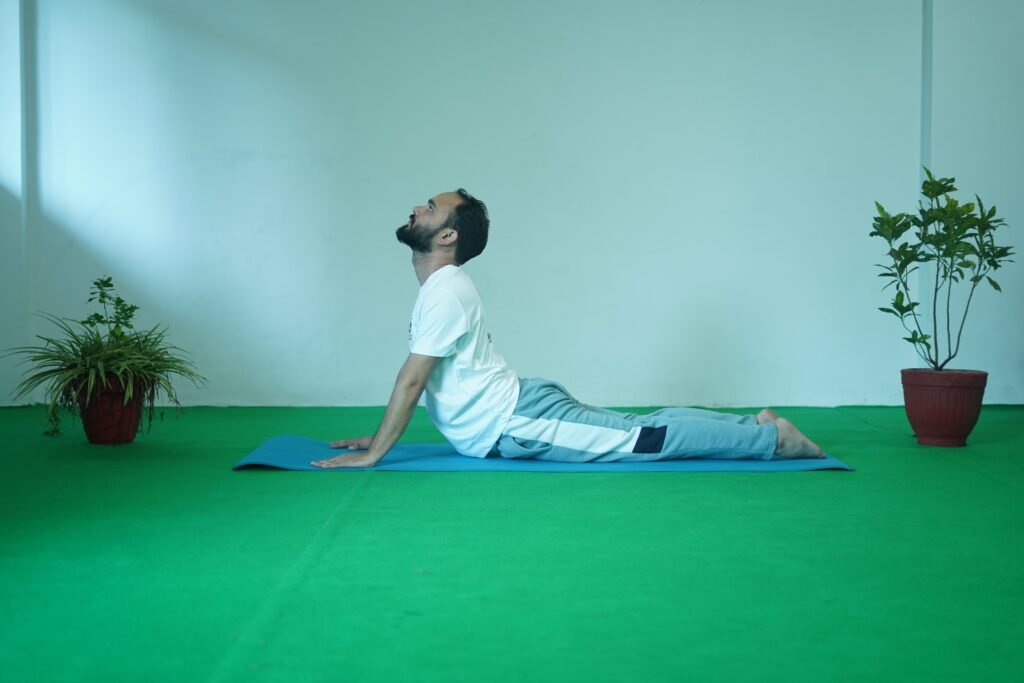
Cobra Pose is a gentle backbend that opens the chest and strengthens the spine by providing support against slouching and prolonged sitting.
Benefits of Cobra Pose For Back Pain:
- Strengthens muscles that support the spine
- Increases Flexibility of the Spinal Column
- Relieves Lower Back Stiffness
How To Perform Cobra Pose:
Lie on your stomach, place your palms under your shoulders, and gently raise your chest off of the floor using only your back muscles. Ensure that you maintain a slight bend in your elbows and ensure that your shoulders are relaxed while performing this Yoga Poses for Back Pain.
5. Sphinx Pose (Salamba Bhujangasana)
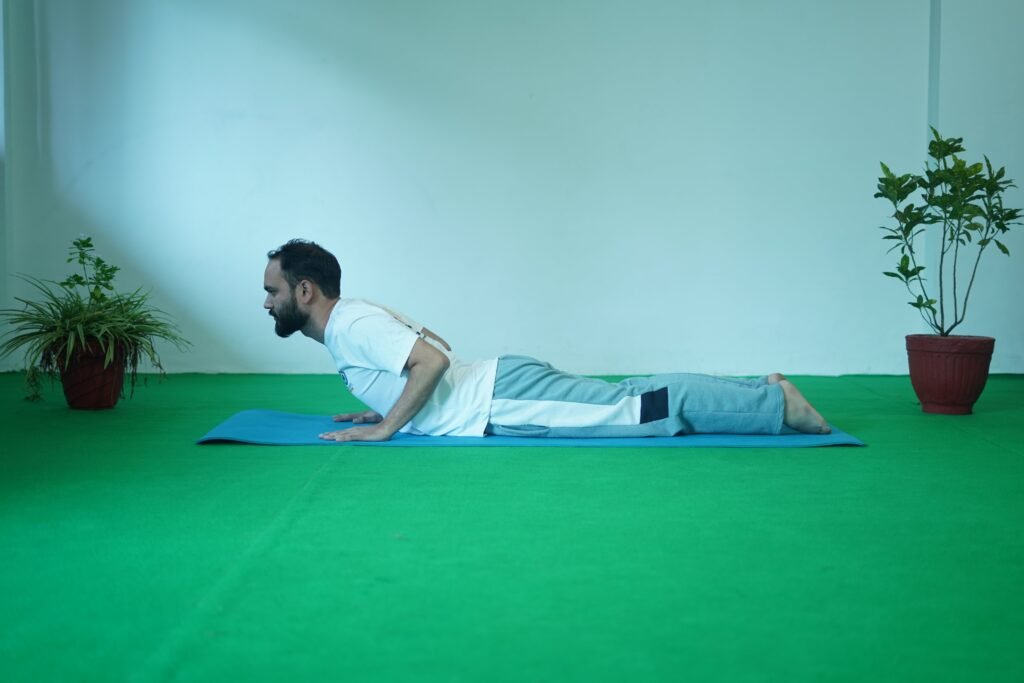
Sphinx Pose is a less intense alternative to Cobra Pose. This pose can be used by beginners or anyone with a sensitive lower back.
Benefits of Sphinx Pose For Back Pain:
- Strengthens The Lumbar Spine
- Assists in Maintaining the Natural Curve of The Spinal Column
- Removes Compression From The Lower Back
Hold Sphinx Pose for 30 seconds to 1 minute and focus on taking deep, steady breaths during this time.
6. Bridge Pose (Setu Bandha Sarvangasana)
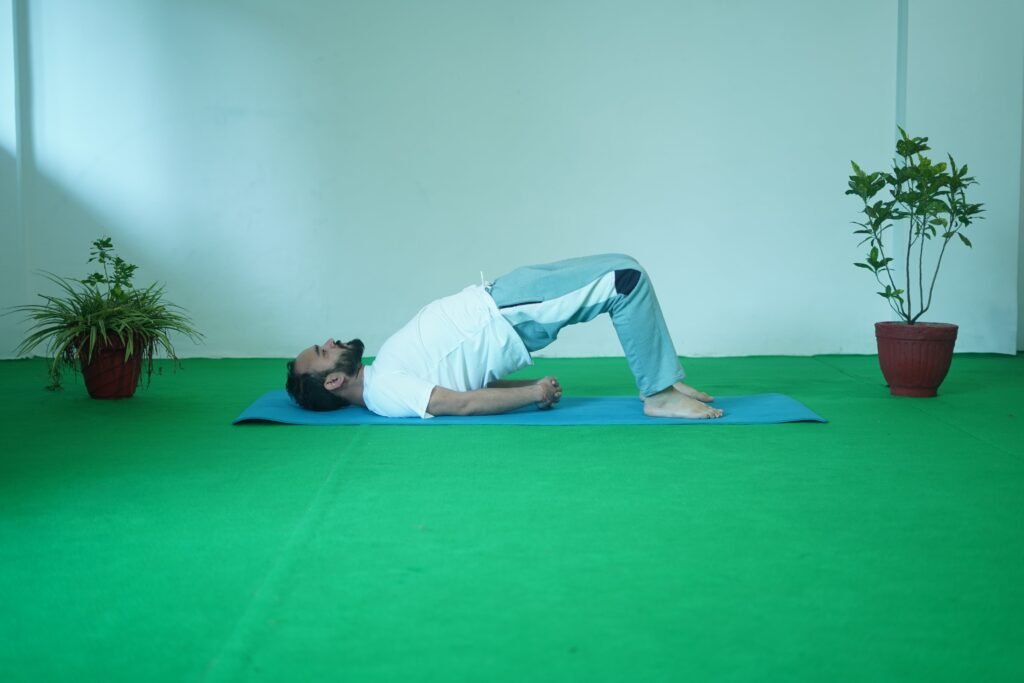
Bridge Pose promotes strength in the lower back while simultaneously stretching out the front of the body, making it one of the best Yoga Poses for Back Pain.
Benefits of bridge pose for back pain include:
- Strengthening the lower back and gluteus maximus;
- Increased flexibility of the spine;
- Decreased fatigue and stress;
How to do the bridge pose:
Lie flat on your back on the ground with your knees bent at a 90-degree angle and your feet approximately hip-width apart. With your feet firmly planted in the ground, raise your buttocks off of the ground while keeping your knees bent. Hold this bridge position for 5 to 10 full breaths before you release back down to the ground.
7. Locust Pose (Salabhasana)
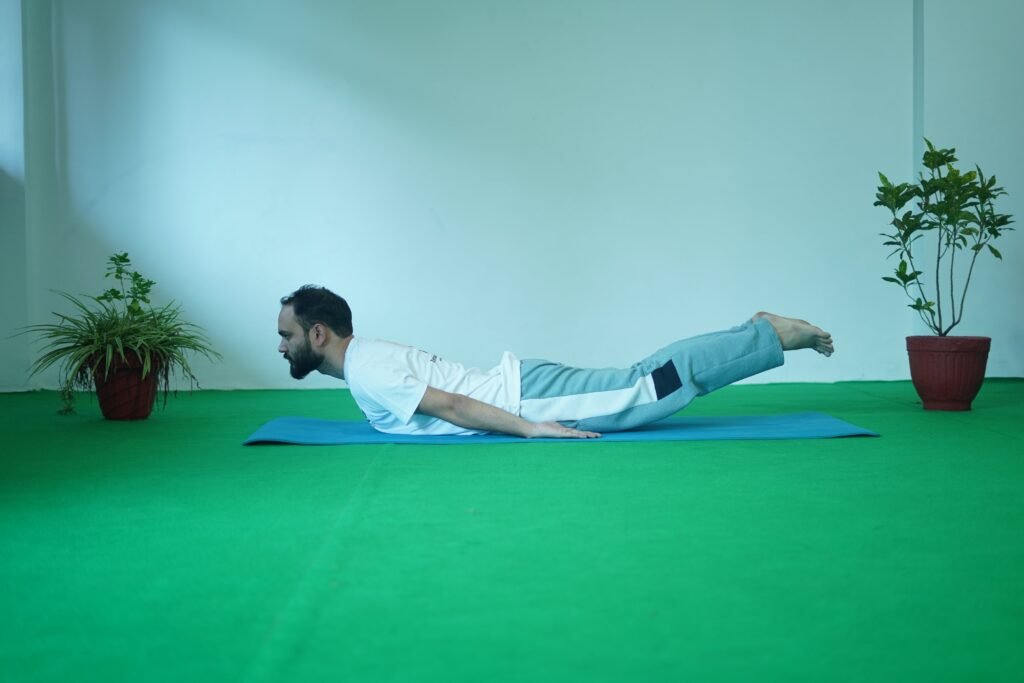
Locust Pose focuses on the muscles of the back and promotes overall strength and stability.
Benefits of locust pose for back pain include:
- Strengthening the back muscles;
- Improving your posture;
- Diminishing Chronic Lower Back Pain;
The amount that you lift your body (the locust position) should be only as high as you feel comfortable lifting it and should be done with care to avoid straining yourself by engaging your abdominal muscles.
8. Extended Triangle Pose (Utthita Trikonasana)
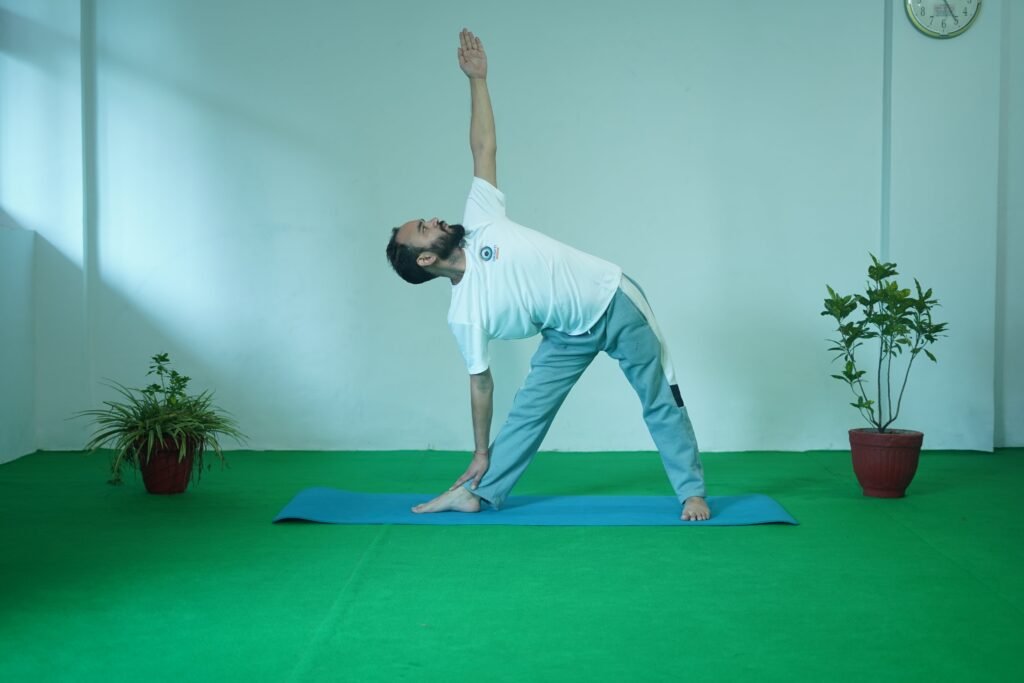
Extended Triangle Pose offers spinal, hip and leg stretches, while at the same time improving general balance and alignment.
Benefits of extended triangle pose for back pain include:
- Lengthening and stretching of the spine;
- Improvement of posture awareness;
- Decreasing Physical Stiffness due to Prolonged Sitting;
When practicing this asana in a slow and controlled manner, you can use a yoga block to support your torso if desired.
9. Supine Spinal Twist (Supta Matsyendrasana)
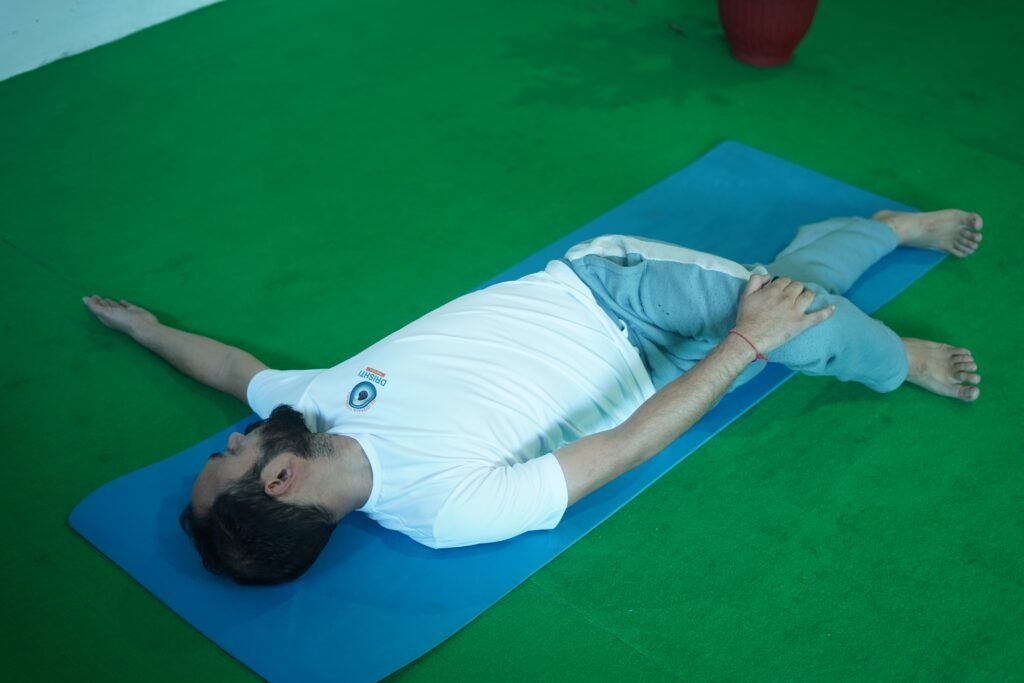
Twisting asanas are an amazing way to alleviate tension from the spine and increase your overall spinal flexibility.
Benefits of supine spinal twist for back pain include:
- Alleviation of spine stiffness;
- Improvement of blood flow to the muscles including those of the spine;
- Support of detoxification and relaxation;
Make sure you are holding each side of your body for a minimum of 5 complete breaths to achieve the best results.
10. Savasana (Corpse Pose)
This is an important part of every yoga practice. Savasana, though simple, helps us to experience the full benefits of our practice as it gives the body time to digest the effects of the other asanas.
Benefits of Savasana :
- Release remaining muscular tension.
- Calm your nervous system.
- Provide you with the opportunity for total relaxation.
Stay in Savasana for 5–10 minutes with slow natural breathing.
Safety Tips for Yoga Poses for Back Pain:
- Practice slowly and mindfully
- Never force a pose
- Use of props such as blocks, bolsters and blankets
- Be mindful of your breath
- If you experience any sharp pain, please stop immediately.
If you have chronic or severe low back pain, please seek out a qualified yoga instructor or medical professional prior to beginning any yoga practice.
Conclusion
Back pain is frequently caused by an imbalance, physically, mentally and/or environmentally. The ten appropriate yoga poses outlined above will help you to build a stronger spine, provide you with greater flexibility, relieve discomfort and support improved health and well-being when practising on a regular basis.
Drishti Yoga School teaches yoga as a holistic science that works from the interior outwards. Through practising yoga you will learn proper alignment, mindful movement and improve spinal health no matter whether you are a beginner or aspiring yoga teacher.
🧘♀️ Join our Yoga Teacher Training in Rishikesh to learn more about the holistic approach to therapeutic yoga, anatomy, and the traditional yogic practices.
Frequently Asked Questions About Yoga Poses for Back Pain
Can yoga help relieve back pain?
Yes, yoga can help relieve back pain by improving flexibility, strengthening the muscles that support the spine, and reducing tension caused by stress. Regular practice can improve posture, increase mobility, and help prevent recurring back pain when performed correctly.
How long does it take for yoga to help back pain?
Some people experience relief after a single yoga session, while long-term improvements typically occur after several weeks of consistent practice. The key is practicing regularly and focusing on proper alignment and mindful breathing.
Can beginners practice yoga poses for back pain?
Yes, beginners can safely practice yoga for back pain. Gentle poses such as Cat-Cow, Child’s Pose, Bridge Pose, and Savasana are beginner-friendly and help improve spinal health without placing excessive strain on the body.
Which yoga poses should I avoid if I have back pain?
People with back pain should avoid deep backbends, intense twists, or poses that cause sharp discomfort. It is important to move slowly, maintain proper alignment, and never force a posture beyond your comfortable range of motion.